Home Interior Design Coloring Pages: A Practical Guide for Creative Relaxation and Design Exploration
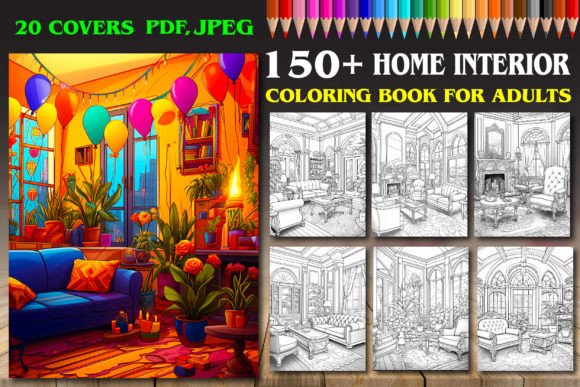
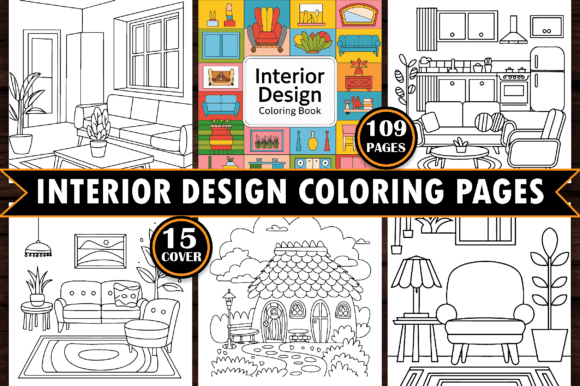
Home Interior Design Coloring Pages refer to a specialized category of adult coloring resources focused exclusively on interior spaces—bedrooms, bathrooms, kitchens, living rooms, laundry areas, fireplaces, and more. Unlike general adult coloring books featuring florals, mandalas, or abstract patterns, these pages render realistic, room-specific layouts with architectural detail, furniture arrangements, and decor elements. The Beautiful Interior Adult Coloring Book, with its 109 curated interiors, exemplifies this niche: it’s not just about coloring—it’s about visualizing space, testing palettes, and engaging with domestic design in a low-stakes, tactile way.
What Sets Home Interior Design Coloring Pages Apart
The distinction lies in intention and application. While many coloring books prioritize artistic complexity or meditative repetition, Home Interior Design Coloring Pages emphasize spatial literacy and aesthetic decision-making. Each illustration invites users to consider scale, proportion, lighting, material contrast, and functional flow—concepts that matter whether you’re redecorating a studio apartment or planning a full renovation. The 109-page collection includes varied room types (e.g., minimalist bathrooms, rustic laundry nooks, sun-drenched bedrooms), offering breadth without sacrificing coherence. Line work is bold and clean—optimized for both beginners and experienced colorists—and each page is designed at 8.5×8.5 inches, matching standard printer paper and ensuring minimal cropping during physical use.
This format also supports dual-purpose engagement: relaxation *and* ideation. Coloring a bedroom layout while experimenting with soft blues and warm woods isn’t just calming—it can surface subconscious preferences that inform real-world choices. That crossover between leisure and practical insight is rare in generic coloring resources.
How It Compares With Other Creative and Design Tools
Home Interior Design Coloring Pages occupy a middle ground between traditional coloring books and digital design tools. Compared to apps like SketchUp or Roomstyler, they require no technical learning curve, no subscription, and no screen time—making them accessible during downtime, travel, or moments when digital fatigue sets in. Yet unlike simple line-art coloring books, they offer contextual richness: a bathroom page includes towel racks, vanity lighting, tile grout lines, and shower glass framing—not just decorative borders.
When weighed against mood boards or Pinterest collections, Home Interior Design Coloring Pages add interactivity. Pinning images is passive; coloring forces active interpretation—choosing where warmth gathers, how light falls across a floor plan, which textures feel inviting. That physical act strengthens memory and emotional connection to design ideas. However, they lack the flexibility of digital tools: you can’t rotate a sofa or swap flooring in real time. They’re best used as a reflective companion—not a replacement—for planning software or professional consultation.
Format Considerations: PDF, PNG, JPG, and EPS Files
The inclusion of multiple file formats reflects thoughtful preparation for different use cases. The print-ready PDF (300 dpi) ensures crisp output on home printers or commercial presses—ideal for those who prefer tangible pages. PNG files preserve transparency, useful for digital artists layering colored interiors over mockups or presentations. JPGs offer broad compatibility for quick sharing or tablet-based coloring apps. The single EPS file provides vector scalability, valuable if someone wants to adapt individual elements (e.g., a fireplace mantel) into larger design documents. This versatility makes the resource adaptable across analog and hybrid workflows—unlike many coloring books limited to a single PDF download.
Strengths and Realistic Tradeoffs
One clear strength is thematic consistency. With 109 interiors spanning functional zones (laundry, utility closets) and aspirational ones (fireplace lounges, spa-style bathrooms), users encounter diversity without jumping between unrelated styles. That cohesion helps build confidence in visual judgment over time. Another advantage is stress reduction grounded in relevance: coloring a kitchen you’d actually want to cook in feels more personally resonant than filling in an ornamental pattern with no real-world anchor.
Tradeoffs exist, too. Because the illustrations prioritize clarity and usability over extreme intricacy, they may not satisfy advanced colorists seeking ultra-fine linework or dense botanical overlays. Similarly, while the 15 cover backgrounds support branding for sellers, the interior pages themselves don’t include captions, design notes, or material suggestions—so users won’t find built-in guidance on, say, why herringbone tile works in small bathrooms or how to balance warm and cool tones in north-facing rooms. That absence isn’t a flaw—it’s a design choice favoring open-ended exploration—but it does mean the resource works best alongside other references, not in isolation.
When Home Interior Design Coloring Pages Are the Right Fit
This type of resource suits several scenarios well:
- Interior design students or hobbyists building visual vocabulary—practicing how colors interact within defined spatial boundaries before committing to paint swatches or fabric samples.
- Homeowners mid-renovation using coloring as a low-pressure way to test concepts: “What if my bedroom walls were sage green and the bedding terracotta?”
- Teens and adults managing anxiety or ADHD who benefit from structured, goal-oriented creative tasks—coloring a functional laundry room offers focus without overwhelming abstraction.
- Etsy or KDP creators seeking ready-to-upload, commercially viable content. The package includes all major file types, cover assets, and print-optimized dimensions—reducing production overhead significantly.
It’s less suited for users needing photorealistic rendering, real-time collaboration, or integration with smart-home planning tools. If your goal is to calculate square footage, simulate natural light angles, or generate contractor-ready blueprints, Home Interior Design Coloring Pages complement—but don’t replace—specialized software.
Making an Informed Choice
Before selecting any interior-focused coloring resource, consider three practical questions:
- What’s your primary intent? Is it relaxation, design experimentation, skill-building, or product creation? Home Interior Design Coloring Pages serve the first three well—and the fourth exceptionally—but only if your workflow aligns with static, printable assets.
- How much guidance do you want? Some users appreciate brief annotations (e.g., “Try matte black fixtures here”) or color theory tips alongside pages. This collection doesn’t include those, so pairing it with a short guide on interior color psychology or texture layering may deepen its utility.
- Where will you use it? If you primarily color on tablets, ensure your app supports layered PNG imports. If you print frequently, verify your printer handles 300 dpi consistently—especially with fine lines around cabinetry or window frames.
In summary, Home Interior Design Coloring Pages offer a rare blend of accessibility, intentionality, and aesthetic range. They don’t promise transformation—but they do provide space to pause, reflect, and reimagine the places we live in, one deliberate stroke at a time. Whether you’re sketching out a dream guest room or simply unwinding after a long day, the value lies not in perfection, but in presence.