DALL-E 3 for Low-Content Books - Steps
Creating low-content books—journals, planners, coloring books, habit trackers, and gratitude logs—has never been faster or more accessible. With DALL-E 3 for Low-Content Books - Steps, creators, solopreneurs, and Amazon KDP publishers can generate professional-grade interiors and covers in minutes—not days—using simple text prompts and AI-powered precision. This isn’t about replacing creativity; it’s about amplifying it with intelligent tools that reduce repetitive design work, lower production costs, and accelerate time-to-market.
Many aspiring low-content book creators face real challenges: limited design skills, tight budgets, inconsistent visual branding, or uncertainty about KDP formatting requirements. Others spend hours manually arranging lines, grids, or decorative borders—only to discover their files fail Amazon’s print preview or get rejected for bleed or resolution issues. Still others struggle to stand out in oversaturated niches like “bullet journal” or “mindfulness planner,” where thousands of similar-looking books compete for attention.
DALL-E 3 for Low-Content Books - Steps directly addresses these pain points by turning descriptive language into production-ready assets. Unlike earlier AI image generators, DALL-E 3 understands nuanced layout instructions (“a clean A5 dotted journal page with 0.5 cm margin, subtle watermark logo bottom right, no text”), supports precise aspect ratios (e.g., 6×9 inches for KDP paperback), and renders high-fidelity vector-friendly outputs suitable for print. When used intentionally—and paired with basic design awareness—it becomes a scalable co-pilot for consistent, on-brand book creation.
How DALL-E 3 for Low-Content Books - Steps Works in Practice
The power lies in structured prompting and iterative refinement—not random generation. Here’s how it translates into real workflow advantages:
- Interior generation: Prompt for “lined journal page, 8mm spacing, light gray lines, 1-inch margins, top-right page number, minimalist style” and generate 100+ pages in batches. Use consistent seed values to ensure uniform line thickness and alignment across spreads.
- Cover design: Instead of generic “planner cover,” try “matte-finish 6×9 planner cover for busy teachers, watercolor coffee cup illustration top-left, clean sans-serif title ‘Classroom Calm Planner’, muted sage and cream palette, Amazon KDP compliant bleed.” DALL-E 3 interprets context, tone, and platform constraints.
- Marketing assets: Generate thumbnail mockups, social media banners, or A+ Content visuals—like “Instagram carousel slide showing 3 planner layouts side-by-side, soft shadows, pastel background”—to support your launch without hiring a designer.
Crucially, DALL-E 3 for Low-Content Books - Steps emphasizes repeatability. You’re not building one book—you’re building a system. Once you refine a prompt for a weekly meal planner interior, you can adapt it for fitness, budgeting, or study tracking with minimal edits. That scalability is what turns hobbyists into sustainable micro-publishers.
Practical Applications You Can Start Today
Here are five high-impact applications—with concrete examples—to illustrate how DALL-E 3 for Low-Content Books - Steps delivers measurable results:
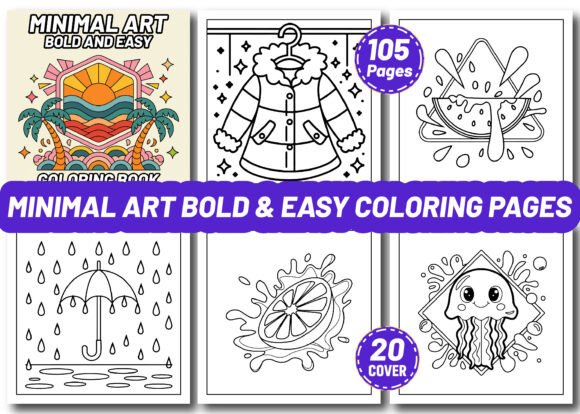
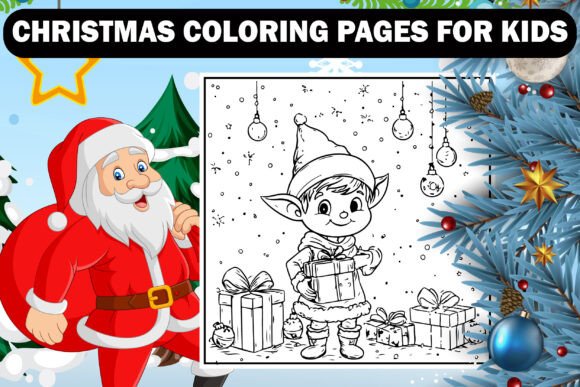
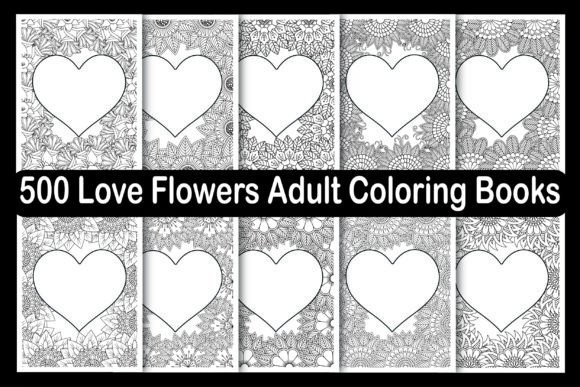
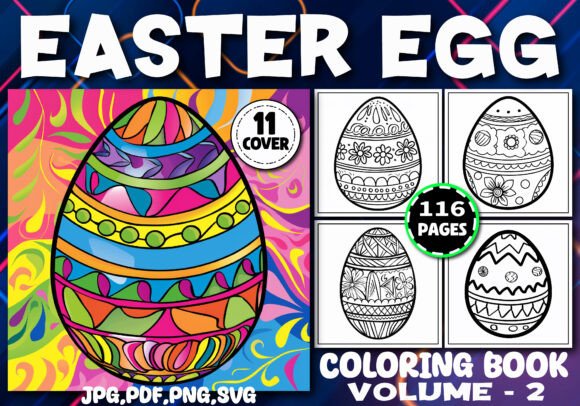
- Niche-specific coloring books: “Black-and-white line art coloring page of desert succulents, medium complexity, thick outlines, centered composition, no background, 300 DPI print-ready” → Generate 40 unique pages in under 10 minutes.
- Themed journal collections: “Gratitude journal spread: left page blank lined, right page with ‘Today I’m grateful for…’ header + 5 bullet prompts, soft floral border, warm beige tones.” Repeat with seasonal variations (spring blossoms, autumn leaves) using style-lock prompts.
- Low-text productivity tools: “Habit tracker grid: 7 columns (Mon–Sun), 5 rows (habits), clean thin lines, subtle check-box circles, top header bar with ‘My Weekly Wins’ in bold.” Export as PNG, place in Canva or Affinity Publisher for final PDF assembly.
- KDP-compliant covers: “6×9 paperback cover mockup: front shows open notebook with handwritten to-do list, spine displays title ‘Focus Flow Planner’, back has clean white background with 2-line description and barcode area marked.” Use the output as a layered PSD template for future titles.
- Series branding consistency: Create a master “brand style prompt” once—e.g., “minimalist, linen-texture background, charcoal-gray lines, 12-pt Garamond-inspired typography space”—then apply it across all interiors and covers in a planner series.
Remember: DALL-E 3 generates images—not editable vector files. So always pair it with tools like Canva, Adobe InDesign, or Affinity Publisher for final file prep. Export at 300 DPI, verify CMYK color mode for print, and double-check KDP’s latest margin and bleed specs before uploading.
Tailoring DALL-E 3 for Low-Content Books - Steps to Your Goals
Your approach depends on your role and resources:
- Beginners: Start with pre-tested prompt templates (e.g., “lined journal page, 6×9, 0.75-inch margins, light gray lines”) and focus on mastering one book type—like a simple daily log—before expanding.
- Experienced creators: Build prompt libraries organized by niche, size, and use case. Use negative prompts (“no text, no shading, no photorealism”) to tighten output control.
- Teams or agencies: Document prompt versions, output resolutions, and KDP upload settings in shared Notion or Airtable databases—turning DALL-E 3 for Low-Content Books - Steps into a documented, teachable process.
No single tool replaces market research or audience insight. But DALL-E 3 for Low-Content Books - Steps removes the biggest bottleneck: turning ideas into polished, printable assets—fast, affordably, and consistently. It lets you test niches with minimal risk, iterate based on early sales data, and scale what works.
If your goal is to publish more books, earn recurring royalties, and build a recognizable brand on Amazon KDP—without drowning in design software or outsourcing costs—then integrating DALL-E 3 for Low-Content Books - Steps into your workflow isn’t optional. It’s the most practical lever available today for turning creative intent into tangible, profitable results.